Middlesex CC Awarded Funding from Bedford Cultural Council
BEDFORD: Middlesex Community College was awarded a $450 grant from the Bedford Cultural Council – an agency supported by the Mass Cultural Council – in support of the college’s Center for Truth, Racial Healing and Transformation (TRHT). Funds from the grant will go toward Racial Healing Circles that MCC will run on the college’s Bedford campus during the Spring 2022 semester.
“Middlesex is a leader of engaging in impactful conversations, making meaningful changes, and actively fighting against racism,” said Phil Sisson, MCC’s President. “Funding and support from
the BCC allows us to continue and enhance this important and necessary work.”
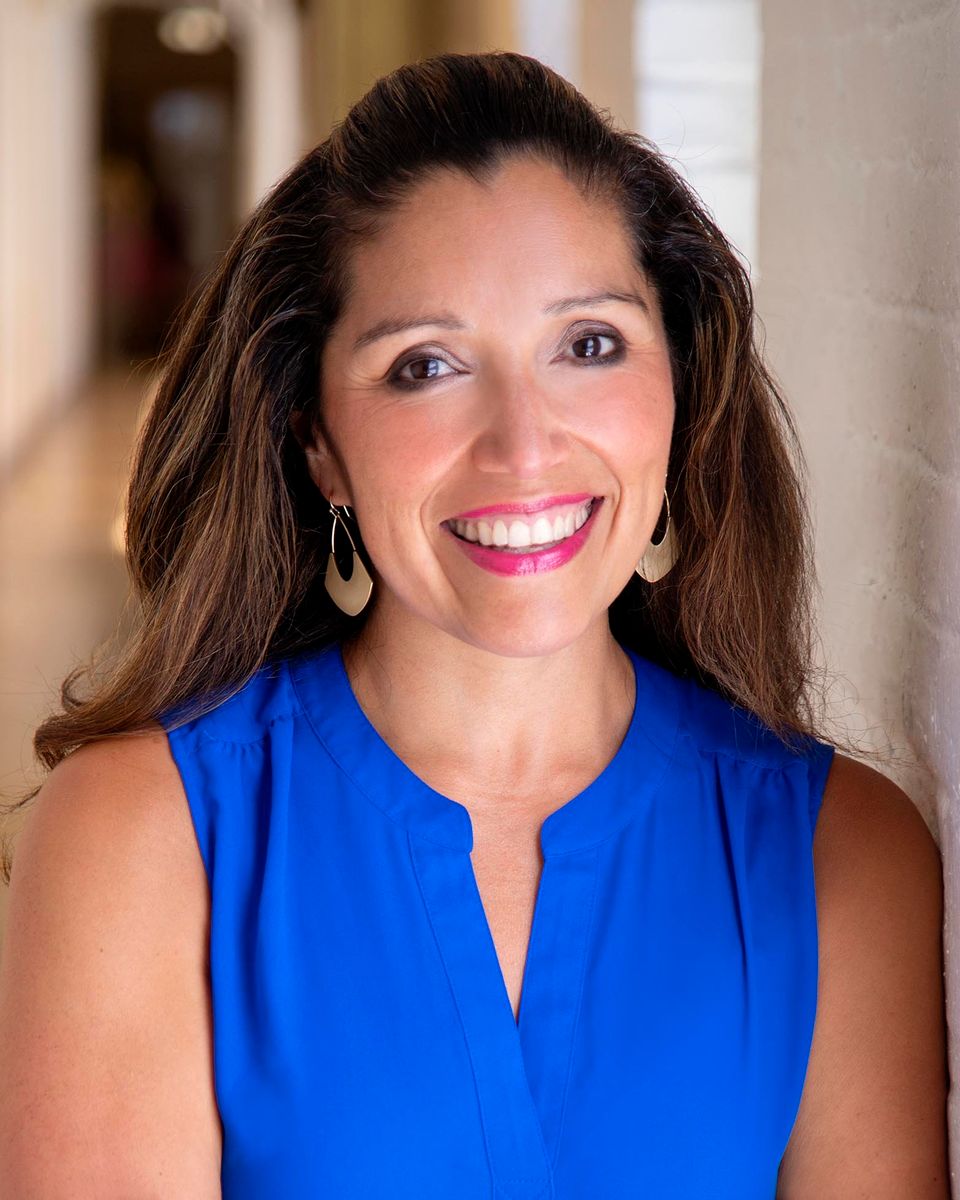
Middlesex was selected to participate in the 2021 Institute on Truth, Racial Healing and Transformation Campus Centers by the Association of American Colleges and Universities (AAC&U). MCC is now one of 55 campus-based AAC&U TRHT Centers. In addition to integrating racial equity work into its strategic plan, the college sees the Center for TRHT as an opportunity to engage in college-wide honest dialogues on race and to serve as a resource and partner within MCC’s communities. This includes leading Racial Healing Circles, which will be run by Middlesex faculty, staff and students who went through training by the Racial Healing Circle Practitioner Institute workshop in January 2022, according to Darcy Orellana, MCC’s Executive Director of Diversity, Equity
and Inclusion.
“Racial healing is an essential and ongoing part of building more just and equitable communities together,” Orellana said. “A Racial Healing Circle is a way to bring people together by providing a compassionate space to share stories and deeply listen to one another so that we can discover our common and interconnected humanity. Through the practice, we can build relationships and engagement to tackle the impact racism has on us.”
The mission of MCC’s TRHT Center is for internal and external communities to engage in racial healing and build deeper collective capacity toward racial equity and justice in relationships, structures, policies and practices. Through this work – including Racial Healing Circles – Orellana encourages participants to imagine what the community will look, feel and be like when the belief in a racial hierarchy has been eliminated.
Moving forward, Middlesex strives for a community that will “eliminate the false belief in a hierarchy of human value based on race,” actively challenge racism, be equity-minded, and be responsive to diverse identities and community experiences, Orellana said. Racial Healing Circles and similar activities and conversations will help MCC create a positive narrative about race, prepare the next generation of leaders to build just and equitable communities, and pinpoint key leverage points for change.
“Middlesex is a leader of engaging in impactful conversations, making meaningful changes, and actively fighting against racism,” said Phil Sisson, MCC’s President. “Funding and support from
the BCC allows us to continue and enhance this important and necessary work.”
Middlesex was selected to participate in the 2021 Institute on Truth, Racial Healing and Transformation Campus Centers by the Association of American Colleges and Universities (AAC&U). MCC is now one of 55 campus-based AAC&U TRHT Centers. In addition to integrating racial equity work into its strategic plan, the college sees the Center for TRHT as an opportunity to engage in college-wide honest dialogues on race and to serve as a resource and partner within MCC’s communities. This includes leading Racial Healing Circles, which will be run by Middlesex faculty, staff and students who went through training by the Racial Healing Circle Practitioner Institute workshop in January 2022, according to Darcy Orellana, MCC’s Executive Director of Diversity, Equity
and Inclusion.
“Racial healing is an essential and ongoing part of building more just and equitable communities together,” Orellana said. “A Racial Healing Circle is a way to bring people together by providing a compassionate space to share stories and deeply listen to one another so that we can discover our common and interconnected humanity. Through the practice, we can build relationships and engagement to tackle the impact racism has on us.”
The mission of MCC’s TRHT Center is for internal and external communities to engage in racial healing and build deeper collective capacity toward racial equity and justice in relationships, structures, policies and practices. Through this work – including Racial Healing Circles – Orellana encourages participants to imagine what the community will look, feel and be like when the belief in a racial hierarchy has been eliminated.
Moving forward, Middlesex strives for a community that will “eliminate the false belief in a hierarchy of human value based on race,” actively challenge racism, be equity-minded, and be responsive to diverse identities and community experiences, Orellana said. Racial Healing Circles and similar activities and conversations will help MCC create a positive narrative about race, prepare the next generation of leaders to build just and equitable communities, and pinpoint key leverage points for change.