STOW: Continuing its month of special holiday services, First Parish Church of Stow & Acton (FPC), Unitarian Universalist, will hold a Winter Solstice service on December 18 at 10am, and it will hold its traditional Christmas Eve services on December 24 at 4pm and 9pm. All services will be held both in person and online.
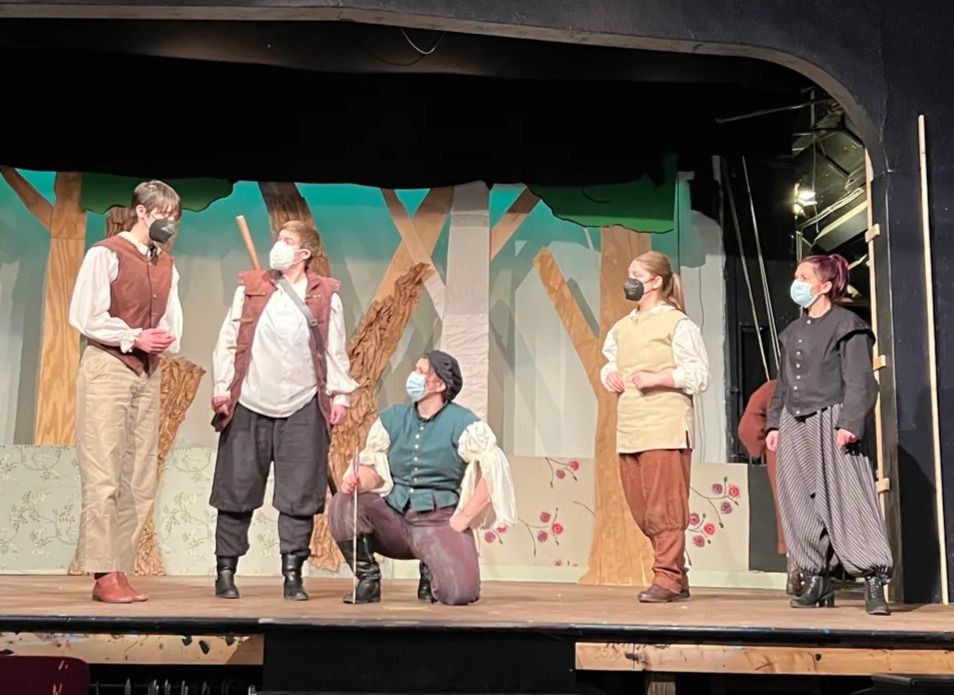
On December 18, FPC will forego its traditional “Mummers’ Play,” and instead the children and youth will share a new play, “Winter Wonder: The Solstice.” Scripted by FPC’s minister, the Rev. Dr. Cynthia L. Landrum, the play is about the meaning and beauty of the Solstice. It will feature a small “nod” to the Mumming tradition. Also participating will be Marissa Evans, Acting Director of Religious Education.
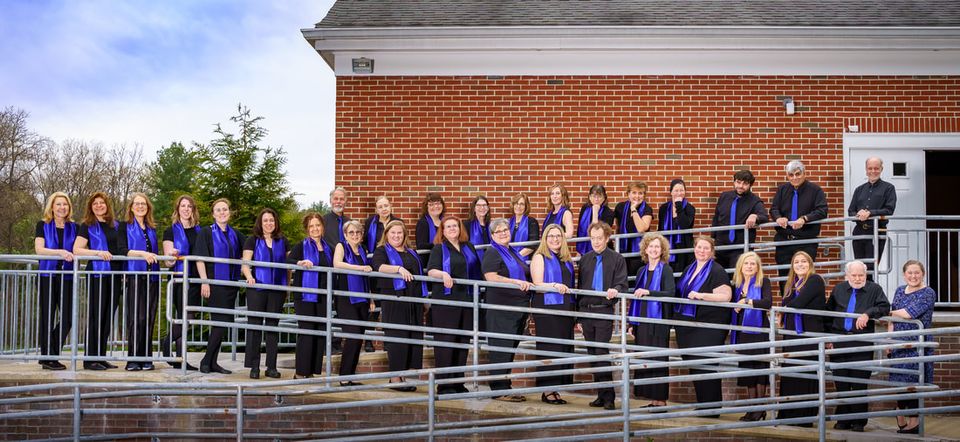
FPC’s 4pm Christmas Eve Family Service, geared towards children, will feature interactive moments, stories, and carols, finishing with the traditional candle-lighting and singing of “Silent Night.” The 9pm Christmas Eve Candlelight Service, geared towards adults, will feature traditional carols and anthems, paired with readings and the age-old story of the birth of Jesus. Guest musicians will join the FPC Choir and FPC organist/pianist Sanghee Kim as they perform under the direction of FPC Music Director Brad Dumont. An extended prelude of Christmas music will begin at 8:45pm, and this service will also end with the traditional candle-lighting and singing of “Silent Night.”
There will be no service on December 25.
Masks are required in the sanctuary, with the exception of the balcony. To enter the virtual room, go to
http://tinyurl.com/22-23fpc. FPC now has a closed captioning option in online services. If the Closed Captioning option is not turned on, you can use the button at the bottom of your screen to request that the host turn it on. To prevent disruptive intrusions, the virtual room will be locked about 15 minutes after the service begins.
FPC warmly welcomes gay, lesbian, bisexual, and transgender people. Its facilities are wheelchair accessible. For more information, call (978) 897-8149 or visit
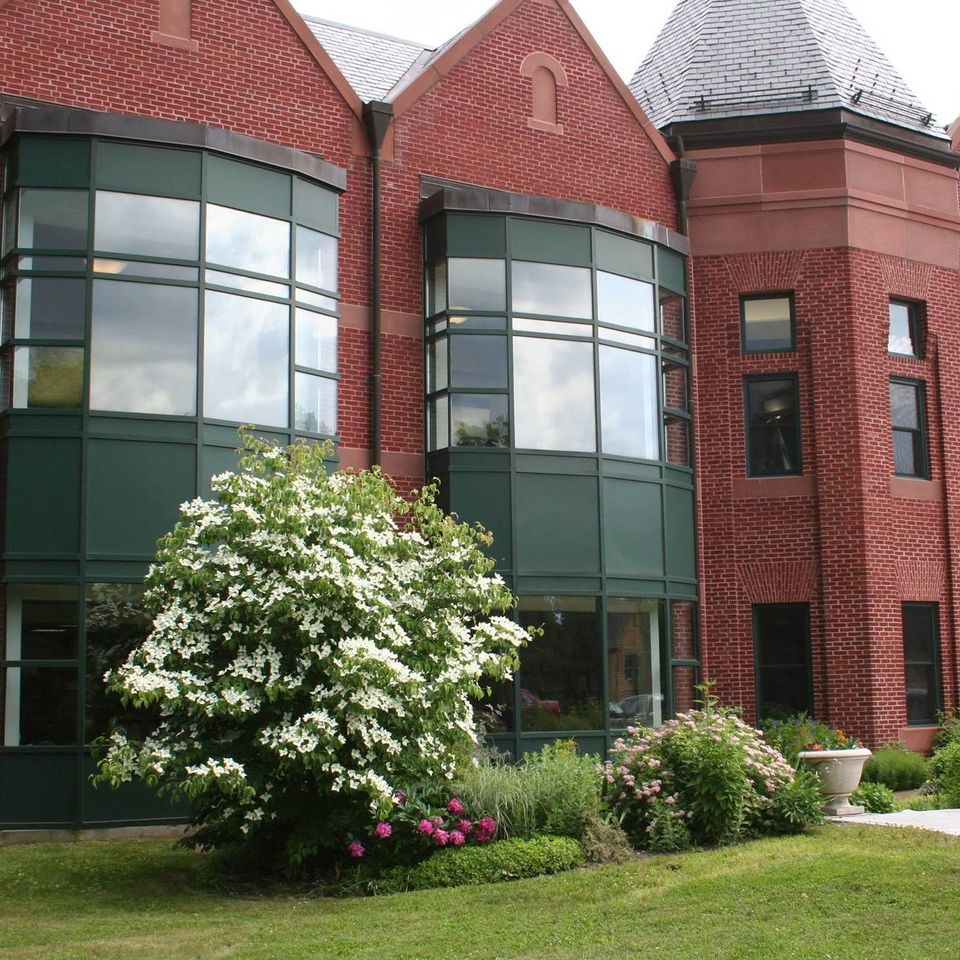
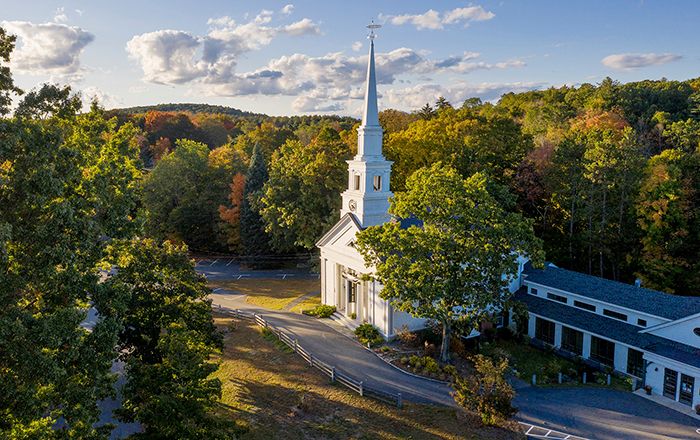
www.fpc-stow-acton.org. The church is located at 353 Great Road, at the corner of routes 117 and 62.